
 CN · 48Swords Into Plowshares2026
Dramanice: Chinese and Japanese dramas, from Atelier, Are You Safe? and Soldiers Sortie to Swords Into Plowshares, Ordinary Greatness, Team Medical Dragon and Stories of an Editorial Board, and where to watch them
167 dramas from China, Taiwan and Japan, 1990 to 2026, with 6,510 episodes listed.
Recently addedView all (167)

Chinese-languageView all (135)
JapaneseView all (32)

Costume and fantasyView all (67)
Modern lifeView all (100)
The Dramanice guide to Chinese and Japanese drama
Dramanice: Chinese and Japanese dramas, with Atelier, Are You Safe?, Soldiers Sortie, Swords Into Plowshares, Ordinary Greatness, Team Medical Dragon and Stories of an Editorial Board
China and Japan have the two largest television drama industries in Asia, and they could hardly be more different. Chinese drama thinks big: forty episodes is an ordinary length, the past two thousand years are its playground, and a single series may pass from a palace to a battlefield to the home of the immortals. Japanese drama thinks small and exact: ten or eleven weekly hours about one office, one family or one restaurant counter, made with a craftsman's care. Dramanice is a guide to 167 dramas from both traditions, made between 1990 and 2026. Each has a page with its cast, its episodes and a Watch now button that leads to the official services carrying it.
The 167 dramas have 6,510 episodes between them. A hundred and thirty-five are in Chinese, from the mainland and from Taiwan, and thirty-two are Japanese. Sixty-seven are costume dramas and fantasies, and a hundred are set in modern life or the recent past. This guide takes the Chinese costume dramas first, then modern Chinese life and work, then Taiwan, then Japan by kind, and closes with lengths, the search, My List and a plan for a first fortnight.
What Dramanice is
Dramanice is a viewing guide. Each of its 167 pages describes one drama: its story, the year in which it was made, its leading actors, its director where one is recorded, and the order of its seasons and episodes with their dates. At the top of each page is a Watch now button with a country selector beside it. Choose the country you are in, press the button, and JustWatch opens with the services that carry the drama there, whether by subscription, rental, purchase or free with advertising. The how to watch page sets out the three steps in brief.
The selection was made by hand, one summary at a time, with a mixed household in mind. It favours history, romance, family life, work and gentle fantasy, and it leaves aside crime stories and the many recent serials built on revenge. Both countries make a great deal of television for family viewing, and the catalogue draws mostly on that.
The guide is written in English for viewers anywhere. The dramas are in Mandarin, Taiwanese and Japanese and are widely available with subtitles. Each title page gives the original title in its own script beside the English one, since a Chinese drama in particular may be known by three or four English names and the original is the surest thing to search for.
How the pages are arranged
The site is white, pink and turquoise, and almost everything on it is round. The menu at the top is a row of circles ringed in pink, one for each main list; a fine rule runs beneath them, and the search field stands at the right. Below the title is a line of grey tabs, in capitals, which jump to the sections of the home page and to My List.
Each drama on the home page is a circle too: a round picture ringed in pink for a Chinese-language drama and in turquoise for a Japanese one, with a small tag across its lower edge giving the country and the number of episodes, and the title and year centred beneath. The first section holds the eight most recent dramas; then come four each for the Chinese-language dramas, Japan, costume and fantasy, and modern life, every section headed by a pink label between two grey hairlines with a link to the complete list. A column at the right holds the ten most popular dramas, numbered in small circles, and lists by kind, length and period. On a telephone the column moves below, the circles stand two across, and the round three-bar button opens the menu with a search field of its own.
Chinese costume drama: history
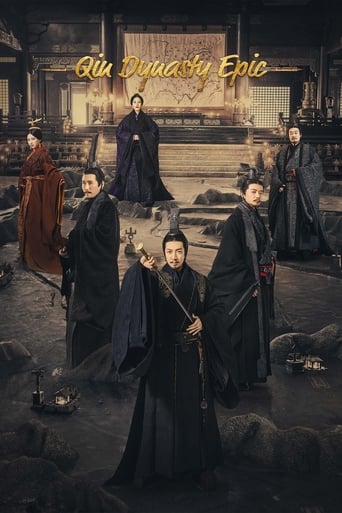
Sixty-seven dramas are costume dramas or fantasies, and the costume guide sorts them. Chinese television returns to the imperial past as Hollywood once returned to the West, and the grandest of these dramas are histories. Qin Dynasty Epic, shown in 2020, covers the forty years in which the state of Qin conquered its six rivals and its king, Ying Zheng, became the first emperor of a united China in 221 BC. Zhang Luyi plays the king from youth to middle age and Duan Yihong the merchant turned chancellor Lü Buwei, and the seventy-eight episodes give as much time to councils and ministers as to campaigns. It is the fourth and last part of a cycle of series on the rise of Qin, and can be watched alone.
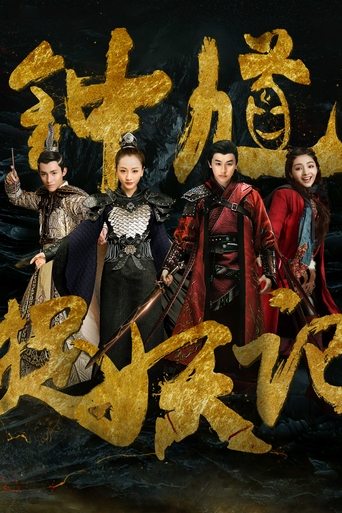
The Prince of Han Dynasty tells, in three seasons and 121 episodes, the life of Emperor Wu of Han, who came to the throne as a boy in 141 BC and reigned for more than half a century; it gave Huang Xiaoming his first great part. Princess Jieyou is set in the same reign and tells of a Han princess sent to marry the ruler of a kingdom far to the west, where she becomes a stateswoman in her own right. Swords Into Plowshares, the newest of the histories and one of the most followed dramas on Dramanice, is set in the tenth century, when China was divided among short-lived dynasties and small kingdoms. It follows three young men, the last king of the coastal state of Wuyue and two future emperors, through the wars of the period towards a reunification in which Wuyue gave up its crown peacefully to spare its people. Bai Yu leads the cast.
The Legend of Hao Lan goes back to the last years of the Warring States. Wu Jinyan plays the daughter of an official of Zhao who is sold into service and rises, by intelligence more than beauty, to become the mother of the first emperor; Nie Yuan plays Lü Buwei. It was made by the team responsible for one of the most successful palace dramas of the decade and shares its rich colours and brisk storytelling. In Love With Power is set at the founding of the Qing dynasty, among the Mongol princesses who married into the ruling house, and Chronicle of Life in the reign of the Kangxi Emperor, played by Hawick Lau, whose affection for a palace maid is complicated by her forgotten childhood. Legend of Two Sisters In the Chaos follows the daughters of a great family of the tenth century of whom it was foretold that one would be empress, and Legend of SouthWest Dance and Music recalls a real embassy of the year 802, when a prince from what is now Burma brought his dancers and musicians to the Tang capital.
Chinese costume drama: romance and intrigue
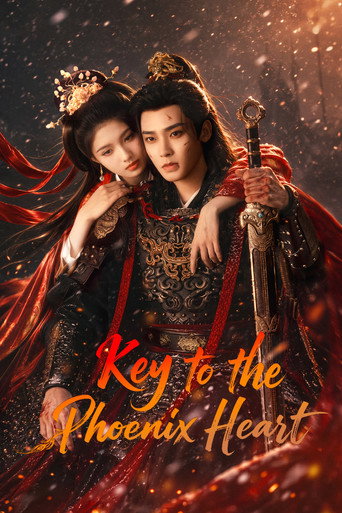
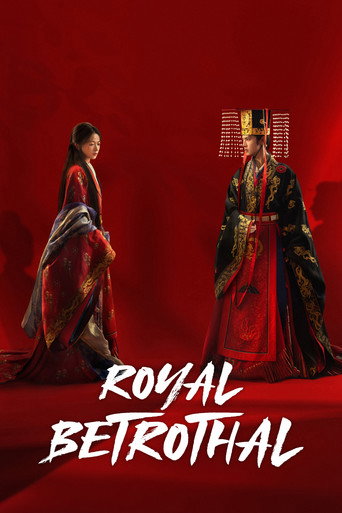
Most costume dramas are romances set in invented dynasties, where the writer is free of the historical record. The pattern is familiar and satisfying: a clever young woman, brought low by a family misfortune, makes her way at court or in a great household and wins both justice and a husband. Royal Betrothal has Wu Jinyan as the first woman scholar to enter the imperial academy, and Chen Zheyuan as the prince she serves. In Against the Current, Tan Songyun plays a nobleman's granddaughter reduced to a servant in the house of the man she was to have married. Blossoms of Power, which has one of the highest scores in the catalogue, follows a princess of the north-west frontier and a crown prince thought too frail to rule. Ashes to Crown is about a general's daughter who declines to be a pawn, and Key to the Phoenix Heart about a general and a young woman with a passion for machines, married by arrangement and allies by degrees.
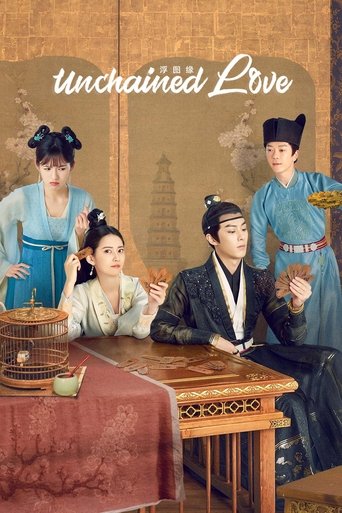
Unchained Love is set in a palace where a powerful chamberlain, played by Dylan Wang, rescues a young lady of the court from an unhappy fate and finds himself, against all policy, in love. Ye Cheng pairs an heiress who hides her abilities with a man whose loyalties are hard to read, Threads of Destiny a crown princess with her apparently idle husband, and Hard to Find a princess and a young lord whose secret engagement set their clans at odds. Fateful Love, The Heiress, in which a minister's daughter takes her twin brother's place, Choice Husband, The Unexpected Marriage, Truth or Dare, Dominion and Devotion, Royal Upstart, Please Come into My Heart and Love in the Imperial Palace are lighter variations.
A favourite device sends a modern person into the past. In Sassy Beauty a beauty blogger wakes inside a game set in old China as a humble maid and rises by her skill with cosmetics. The Girl Inside Me puts a modern woman, with a pouch of modern objects, into the body of a bathhouse attendant, and The Trust has a soldier and an emperor change bodies. Dance of the Phoenix, To Get Master and Wenderella's Diary, which is set in the present but told as a fairy tale, are comedies of the same playful kind, and The Luckiest Man, from 2004, is a broad farce about a rich young countryman under the Qing.
Swordsmen, immortals and adventure
The martial arts story, or wuxia, and its magical cousin, the tale of immortals, are forms that Chinese television has made its own, and the fantasy and adventure guide gathers them. Journey to the West, shown in 2011 and 2012, is a sixty-episode version of the sixteenth-century novel in which a monk travels to India for scriptures with three unruly disciples, the Monkey King chief among them; its producer, Zhang Jizhong, was known for lavish adaptations of the classics, and the special effects were the most ambitious Chinese television had then attempted. The Legends of Changing Destiny and A Chinese Odyssey - Odyssey play further games with the Monkey King. Two series, The Investiture Of The Gods of 2014 and Investiture of the Gods of 2019, adapt the other great novel of gods and demons, set at the fall of the Shang dynasty three thousand years ago. The Legend of Crazy Monk gives 195 episodes to Ji Gong, the ragged and merry monk of Hangzhou who rights wrongs with a broken fan.
The romances of immortals are the most popular Chinese dramas among younger viewers. In Love's Rebellion a practical young doctor, played by Jing Tian, enters the world of immortals to save her mother and is bound by a magical seal to a ruler in disguise. The Eternal Fragrance is set at an academy for the gifted a century after a war among immortals, and Fate Chooses You, with Ren Jialun, joins the heir of a cursed clan to a young woman with a curse of her own. Good and Evil, Snow Eagle Lord, God of Lost Fantasy, Dragon King's Decree, Echo of Her Voice, My Uncanny Destiny, Reincarnated Love and L.O.R.D. Critical World belong to the same crowded and colourful shelf.
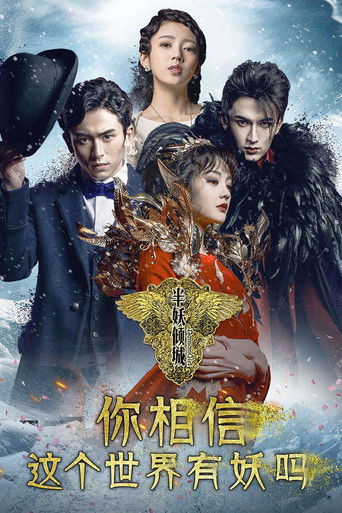
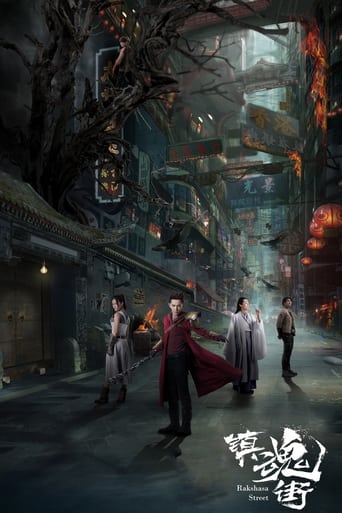
Spirits and demons are treated with affection. Demon Girl is about a young woman at the end of the Qing who learns that she is half spirit; Demon Catcher Zhong Kui about the fierce-faced guardian of folk belief, here banished to earth to learn humility; and The Great Nobody about a small panda spirit mistaken for a king. Rakshasa Street opens a door between a modern city and the street where spirits live. The swordsmen have Shui Yue Dong Tian, a favourite of 2004 about three brothers from a hidden valley; The Great Protector, with Wallace Huo as the head of an armed escort agency in the last days of the empire; Seeking Nirvana at Shaolin; The Lost Swordship; Wulin Heroes; Hidden Master; and The Eight, set among the martial artists of the 1920s.
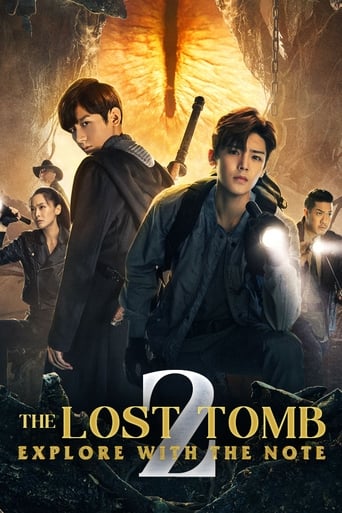
The adventure stories are modern in setting and ancient in subject. The Lost Tomb 2: Explore with the Note follows a young antique dealer, played by Hou Minghao, who finds his grandfather's notebook and is drawn into a search of forgotten tombs with a silent companion of mysterious origin; Adventure Behind the Bronze Door continues the same long story in the snowy mountains. Lost in the Kunlun Mountains is set in the 1920s and sends a young scholar, played by Xu Kai, in search of a lost ruin.
Modern Chinese life
A hundred dramas are set in modern life or the recent past; the Chinese-language guide lists the hundred and thirty-five dramas from the mainland and Taiwan, and the modern life guide introduces them. The best of the recent Chinese dramas about ordinary life are warm, funny and closely observed. Later, I Laughed is about a woman of twenty-six whose boyfriend makes every decision for both of them, and who finds her own voice, quite literally, on the stage of a comedy club. Why is He Still Single? has Wallace Huo as a kindly eccentric who has ruled out marriage. We Are All Alone follows an agent in the entertainment business, played by Qin Lan, starting again after losing her two best clients. Love Actually, with Tong Dawei and Joe Chen, sets a husband and father who has lost his job to work for a young genius of the internet.
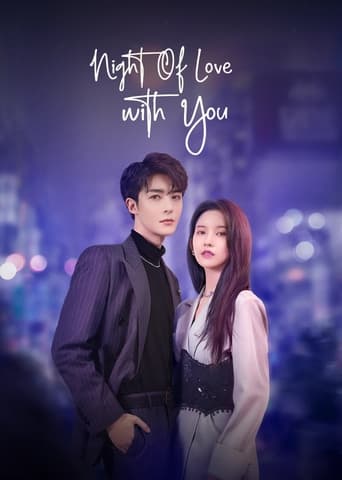
The romances are many and light. Parallel Love, Dusk Love, Grab Your Love, Liars in Love, Just Spoil You, The Quirky and the Charming, My CEO in Disguise and Pretty Man pair a capable young woman with a guarded man of business. Others add a twist of fantasy: in Love In Time a lawyer finds that his flat is shared, for forty-six minutes each night, with its tenant of some months before; in Their Wonderful Time a game designer is haunted by a character of her own invention; Night of Love With You and Unexpected send their heroes into the pages of a comic; Eight Hours and Hyperspace Guardians are set inside virtual worlds; and What If follows one young woman down two different lives.
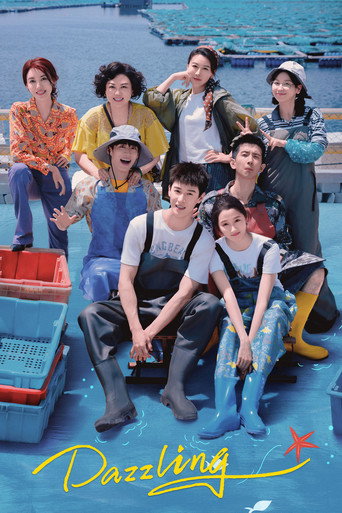
Stories of growing up look back with affection. Stand By Me, with Zhao Jinmai, follows an ordinary girl through the 1990s. In My Prime is set in a small town of the 1980s, where two families learn that their children were exchanged at birth; Wind Direction in an oilfield community that moves to the coast in the late 1990s; and Dazzling, with Guan Xiaotong, in a provincial school to which a city girl returns in her final year. Proud of Love has two students exchange bodies on holiday, Close to You follows a girl with a gift for sport at an elite school, Chasing Love a group of table tennis players, We Go Fast On Trust a young racing driver, and Ray of Light an unconventional teacher, played by Guo Jingfei, and his class. Angels Fall Sometimes is the saddest and among the best scored: a young couple, played by Lin Yi and Li Landi, meet as interns, and their plans are overturned when he is found to have a grave illness.
The family dramas are fuller. The Last Goodbye to Mama is about a mother from a small town and the son she sends to university in Beijing. May December Love follows two sisters and their difficult parents. My Daughter, in eighty episodes, takes three families through their children's choices in love, and Vacation Of Love 2 returns two sisters to their home town in winter. Please Forgive Me begins at the end of the 1970s, when the universities reopened, and Because of You in a wonton shop, whose delivery girl is the lost daughter of an embroidery house.
Chinese classics
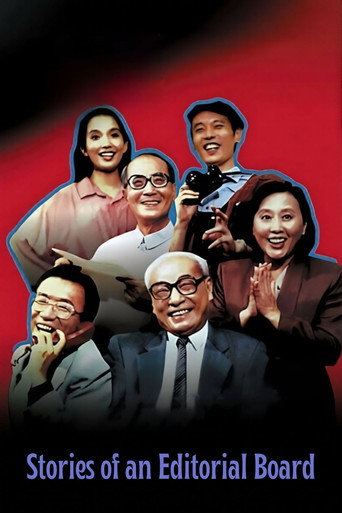
Twenty-one dramas were made before 2010, and the guide to the earlier dramas lists them. Three of the Chinese ones are landmarks. Stories of an Editorial Board, from 1992, is set in the office of a magazine called Guide to Life, where six editors of assorted ages and opinions answer readers' letters, entertain cranks and argue about everything. It was the first Chinese drama made in the manner of a situation comedy, its quick Beijing wit was largely the work of the novelist Wang Shuo, and it made a star of Ge You, whose weary charm as the editor Li Dongbao is still imitated. Thirty years on it is one of the best-scored dramas here.
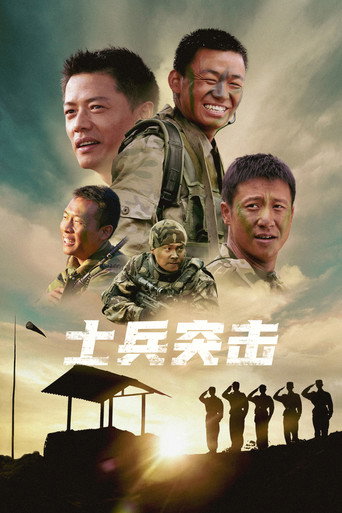
A Native of Beijing in New York, from 1993, was the first Chinese drama filmed in the United States. Jiang Wen plays a cellist from Beijing who arrives in New York with his wife and a single address, washes dishes, starts a knitwear business and prospers at some cost to himself. Shown when few Chinese had travelled abroad, it emptied the streets, and its opening words about heaven and its opposite became proverbial. Soldiers Sortie, from 2006, follows a slow and stubborn country boy, played by Wang Baoqiang, through his years as a conscript and into an elite unit; it says little about combat and a great deal about persistence and friendship, and its hero's simple creed of keeping going was taken up by a generation.
The story of workers from village is a comedy about migrant builders on a site in the north-east, Vancouver a drama of Chinese students in Canada, and Pagodatree Aroma in Autumn a tale of the 1940s about a ruined merchant, with three of the best-known comic actors of the time.
Work and professions
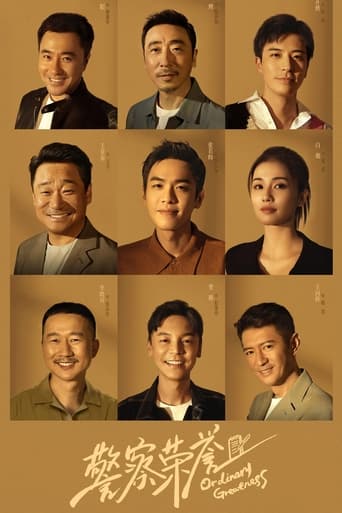
Thirty-five dramas are about working life, and the work guide divides them. Ordinary Greatness, from 2022, is the finest. Four trainees, played by Zhang Ruoyun, Bai Lu and two others, report to a neighbourhood police station, each assigned to an experienced officer, and discover that the work consists of quarrelling neighbours, lost pensioners and an old man who rings every day for company. It is a comedy of patience, beautifully acted by the older players, and one of the most admired Chinese dramas of recent years. Small Police Station sends an officer wrongly shamed by a video on the internet to a remote posting to start afresh.
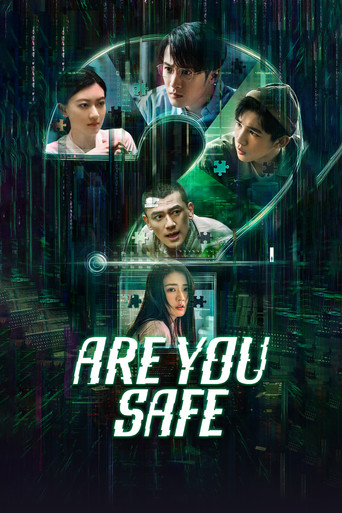
Are You Safe?, the second most followed drama on Dramanice, is about three specialists in computer security, old friends of very different temper, who defend ordinary people against online fraud; Tan Jianci leads the cast. Our Times, with Leo Wu, and The Silicon Waves, with Huang Xiaoming, are stories of the Chinese computer industry, the first in the 1990s and the second in the present. Game of Hunting, with Hu Ge, is set among the headhunters who find executives for companies; Bank on Me in a struggling branch of a bank, to which an honest manager, played by Bai Yu, has been demoted; and The Storm of Roses in financial journalism. The Inner Eye follows a lawyer who has yet to lose a case, Pride and Price the editors of a fashion magazine, and The Miracles a dozen working lives in the city of Shenzhen.
The medical dramas include Live Surgery Room; Welcome to Milele, with Jin Dong as a doctor who joins a Chinese medical team in Africa; and Heroes in Harm's Way, seven stories of the first weeks of the pandemic of 2020 in the city where it began.
Taiwan
Taiwanese drama is smaller in scale and often sharper. The Hospital, from 2006, is adapted from a novel by a doctor and set in the island's leading teaching hospital, where the heads of medicine and surgery compete for the director's chair while a young surgeon, played by Jerry Yan, tries to keep his mind on his patients. Best Interest follows a newly qualified lawyer at a large firm, and The Mirror the reporters of a news site under pressure from advertisers and politicians. Between is about a woman in her late twenties caught between a demanding employer and a demanding family, and Candy Online about a girl in a small town who broadcasts from her bedroom and becomes famous for the wrong reason.
Japan: work and city life
Thirty-two dramas are Japanese, and the Japanese guide introduces them. Atelier, made in 2015, is the most followed drama on Dramanice. Mayuko, played by Mirei Kiritani, loves fabric and has studied little else; she takes her first job at a small house in the Ginza district of Tokyo that makes fine lingerie to order, under a founder, played by Mao Daichi, whose standards are absolute and whose manner is glacial. The thirteen episodes are a study of apprenticeship: how a talented and tactless young person learns what a craft and a business demand. It is handsome to look at and entirely suitable for family viewing.
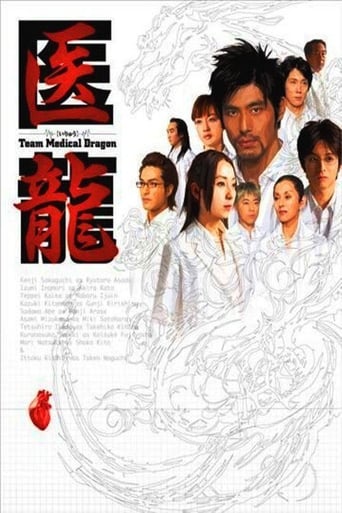
Iryu: Team Medical Dragon began in 2006 and ran for four seasons. A heart surgeon of genius, played by Kenji Sakaguchi, returns from work in refugee camps and is recruited by an ambitious colleague to assemble a team for an operation that will make her name; the series is as interested in the anaesthetist, the nurse and the nervous trainee as in its hero. Doctor-Y ~Gekai Kaji Hideki~ is a lighter medical series about a surgeon with a gift for keyhole operations and a liking for fees, and The Travel Nurse pairs a brilliant young nurse trained in America with a veteran, played by Kiichi Nakai, whose methods are entirely his own.
Hanasaki Mai Speaks Out, from the novels of Jun Ikeido, follows a bank clerk with a strong sense of fairness who is assigned to inspect troubled branches and says what her seniors would prefer left unsaid. First Class, with Erika Sawajiri, is set at a fashion magazine whose editors rank one another mercilessly; Salaryman Kintaro is a favourite of 1999 about a fisherman's adopted son, once the leader of a motorcycle club, who joins a construction company and wins it over by plain dealing; and Ryosangata Riko is about a young woman who thinks herself ordinary and finds, in a small shop selling plastic model kits, something she can do well. Beauty and the Fellow has Yukie Nakama as a theatrical agent training an unwilling young actor.
Second to Last Love is among the best Japanese dramas of its decade. A television producer of forty-five, played by Kyoko Koizumi, buys an old house in the seaside town of Kamakura and finds next door a widowed civil servant of fifty, played by Kiichi Nakai, with a household of grown brothers and sisters. They argue over breakfast for three seasons, and the argument is the love story. Byplayers ~ What If 6 Supporting Actors Had a Houseshare is a comedy in which six of Japan's most familiar character actors, playing themselves, are asked to live together for three months in preparation for a film, and The Benza is a small, eccentric comedy about two foreigners in Tokyo whose broken lavatory seat leads them into a great adventure.
Japan: families and neighbours
Making It Through is the longest drama in the catalogue: 496 episodes shown between 1990 and 2011, all written by Sugako Hashida. It follows a couple who keep a small restaurant and their five married daughters, each with a household, a set of in-laws and a different idea of how to live, and over two decades it became a mirror in which Japanese families recognised their own arguments. Futarikko, a morning serial of 1996, is about twin sisters born above a tofu shop in Osaka, one studious and one a tomboy who becomes a professional player of shogi, the Japanese form of chess; it was among the best-loved serials of its time.
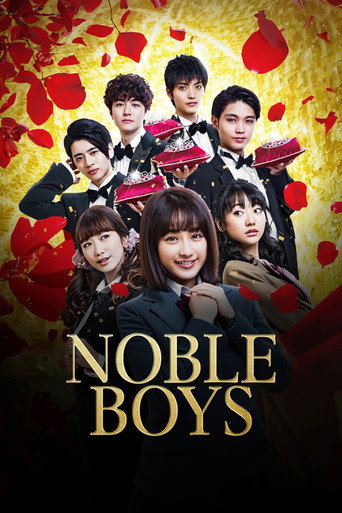
Heaven's Coin, from 1995, stars the singer Noriko Sakai as a young woman from Hokkaido who is deaf, and who follows the doctor she loves to Tokyo after an accident takes his memory; it was a great success across Asia. Hotman has Takashi Sorimachi as an art teacher bringing up four younger brothers and sisters and a small daughter with a severe allergy, and learning to cook for her. Saito-san is about a mother at a kindergarten gate who insists, politely and immovably, on doing the right thing, and so alarms and finally improves the whole neighbourhood. Flower and the Beast and Noble Boys are school romances, Yowamushi Pedal is about a shy boy who discovers a talent for cycle racing, and Team Astro is a tall tale of nine baseball players born at the same minute.
Japan: history and morning serials
The public broadcaster NHK makes two kinds of drama that have few equivalents elsewhere, and the guide to Japanese history and morning serials explains them. The taiga drama is a historical series of about fifty episodes shown on Sunday evenings throughout a calendar year, each year on a different figure. Toshiie and Matsu, the taiga of 2002, tells the life of Maeda Toshiie, a warrior of the sixteenth century who served three great commanders in turn, and of his wife Matsu, whose good sense saved the family more than once; Toshiaki Karasawa and Nanako Matsushima play them. Love and Glory, the taiga of 2006, is about Yamauchi Kazutoyo, a modest soldier who rose to rule a province, and his wife Chiyo, played by Yukie Nakama, to whose management tradition gives the credit. Princess Go, the taiga of 2011, follows the youngest of three famous sisters, played by Juri Ueno, who became the wife of a shogun and the mother of another. Brothers in Arms, the taiga of 2026, tells the rise of Toyotomi Hideyoshi through the eyes of his younger brother and right hand, Hidenaga. These are family histories set in an age of civil war; battles are shown, with the restraint of a public broadcaster.
The morning serial is a daily drama of fifteen minutes, shown for six months, about a woman making her way. Futarikko is one, and The Ghost Writer's Wife, the serial of late 2025, is another: it is drawn from the life of Koizumi Setsu, the daughter of an impoverished samurai family in the western town of Matsue, who married the writer known to English readers as Lafcadio Hearn and told him the ghost stories that made him famous. It has one of the highest scores in the catalogue. Bushimeshi!--The Samurai Cook takes a lighter view of the past, through a minor samurai of the 1860s posted to the capital far from his family, who consoles himself in the kitchen.
Japan: food and drink
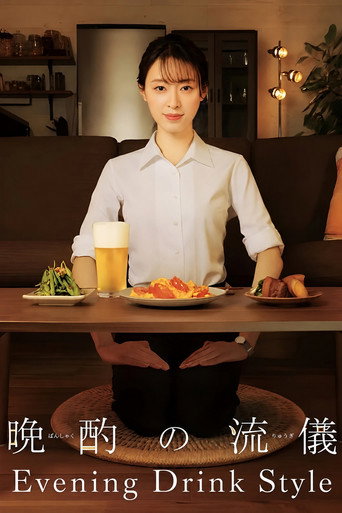
Japanese television has made an art of the drama in which someone simply eats, and the food and drink guide lists the examples here. My Perfect Evening Drink, with Chiaki Kuriyama, has run for several seasons on one idea: a woman who works at an estate agency plans, earns and enjoys her supper and the single glass that goes with it, and every episode ends with the first sip. Konya wa Konoji De visits the old bars of Tokyo whose customers sit around a counter shaped like a horseshoe, and Izakaya Shinkansen follows an insurance auditor who turns the bullet train home from each business trip into a private tavern, with local delicacies bought at the station. Tofu Pro-Wrestling, with members of the group AKB48, is about a tofu maker's daughter who takes up her late father's other trade.
Two traditions compared
Watching the two traditions side by side is instructive. A Chinese drama is financed and sold by the episode, which encourages length, and is usually released several episodes at a time on a streaming service; a costume romance of forty episodes may be watched by its audience within a fortnight. A Japanese drama is made for a fixed weekly slot on a national network and ends when the season ends; its writer is known by name and the last episode is planned from the first. The Chinese drama therefore excels at scale, spectacle and the long arc of a life or a dynasty, and the Japanese at economy, tone and the small scene that says a great deal.
The same subject shows the difference. A hospital in The Hospital or Live Surgery Room is a place of rank and rivalry, treated over thirty or forty hours; a hospital in Iryu: Team Medical Dragon is a team of six, each given an episode. History in Qin Dynasty Epic is the making of an empire; history in Love and Glory is a marriage. A viewer who enjoys both will soon learn which mood calls for which, and the turquoise and pink rings on the home page make the choice visible at a glance.
The three lengths
The column on the home page divides the catalogue by number of episodes, and the guide to choosing by length explains the shelves. Fifty-four dramas have up to twenty-four episodes, among them most of the Japanese titles and the lighter Chinese romances. Sixty-six have twenty-five to thirty-nine, the usual span of a modern Chinese drama. Forty-seven have forty or more, including the histories, the adaptations of the classic novels, Making It Through with 496 episodes, The Legend of Crazy Monk with 195, Futarikko with 150 and The Ghost Writer's Wife with 125.
The count is only half the measure. A Chinese episode usually lasts forty-five minutes, a Japanese weekly episode about the same, a Japanese morning episode fifteen. Some of the newest Chinese romances are made in episodes of ten to twenty minutes for viewing on a telephone, so a series of twenty-four parts may be over in an evening or two. Each title page lists the episodes with their dates.
Stars to follow
Chinese and Japanese actors alike build their names one drama at a time, and the stars guide names a few worth following. Wu Jinyan leads three dramas: The Legend of Hao Lan, Royal Betrothal and Legacy, in which she and Qin Lan play two of three sisters contending for their father's department store in the Shanghai of the 1920s. Bai Yu is a king in Swords Into Plowshares and a bank manager in Bank on Me. Guo Jingfei, one of the most versatile Chinese actors, appears as a teacher in Ray of Light, a policeman in Small Police Station and a monk in Seeking Nirvana at Shaolin. Hou Minghao can be seen in four dramas, from Rakshasa Street to Key to the Phoenix Heart; Li Yitong in five, among them Demon Girl and Chasing Love; and Guan Xiaotong in Dazzling, In My Prime and, as a girl, May December Love.
In Japan, Kiichi Nakai is the civil servant of Second to Last Love and the veteran of The Travel Nurse; Yukie Nakama the wife of Love and Glory and the agent of Beauty and the Fellow; Kenji Sakaguchi the surgeon of Iryu: Team Medical Dragon and a younger brother in Second to Last Love; and Yutaka Takenouchi appears in Heaven's Coin and Toshiie and Matsu. The search field accepts all of these names.
Choosing for the family
Because the selection was made with a mixed household in mind, most of the catalogue can be shared, and the family viewing guide picks titles for different company. With children, Journey to the West, The Great Nobody, Yowamushi Pedal and the costumed heroes of Armor Hero Star Ray are the natural choice. For the whole house, Stories of an Editorial Board, Ordinary Greatness, Futarikko and Byplayers ~ What If 6 Supporting Actors Had a Houseshare have something for every age. With grandparents, Making It Through, Toshiie and Matsu, Qin Dynasty Epic and The Last Goodbye to Mama are sure ground.
A few points are worth knowing beforehand. The histories and martial arts dramas include battles and court intrigue. Angels Fall Sometimes and Tears in Heaven, in which a young reporter loses the doctor she was to marry, deal with illness and bereavement, and Heroes in Harm's Way with the pandemic. Medical dramas show operations. Palace romances turn on arranged marriages and rival households. Each title page carries a full summary, so a parent can read it in a minute and decide.
A few words worth knowing
Some terms recur on the title pages and in this guide. Wuxia is the Chinese story of wandering swordsmen and their code; xianxia is its magical relation, about mortals who cultivate their powers in the hope of becoming immortal, and the sect or academy where they train is its usual setting. The jianghu, literally rivers and lakes, is the swordsmen's world beyond the reach of officials. A dynasty named on a title page tells the period: Qin and Han are the first empires, two thousand years ago; Tang is the golden age of the seventh to ninth centuries; Song follows the divided tenth century; Ming and Qing are the last two, ending in 1911.
In Japan, a taiga is the year-long historical drama of the public broadcaster and an asadora its morning serial. The Sengoku period is the age of civil war in the sixteenth century, and the Edo period the long peace under the shoguns that followed, to 1868. Family names come first in Chinese, so Wu Jinyan is Miss Wu; Japanese names appear on the title pages in the Western order, given name first. English titles vary a good deal, and several unrelated dramas share a name; the year and the original title on each page settle the matter.
By period
The column on the home page also divides the catalogue into four periods. Twenty-one dramas date from 1990 to 2009, the years described under the classics and under Japan. Forty-seven come from 2010 to 2019, among them Journey to the West, Second to Last Love, Atelier, Game of Hunting and The Legend of Hao Lan. Forty-five come from 2020 to 2023, including Qin Dynasty Epic, Ordinary Greatness, Are You Safe?, Legacy and Unchained Love, and fifty-four, the largest group, have appeared since 2024, among them Later, I Laughed, Angels Fall Sometimes, The Ghost Writer's Wife, Swords Into Plowshares and Brothers in Arms.
Most popular
The Most popular list holds the forty-one titles that score at least seven out of ten from five or more viewers, and its ten most followed form the numbered column on the home page: Atelier, Are You Safe?, Soldiers Sortie, Swords Into Plowshares, My Perfect Evening Drink, Ordinary Greatness, Iryu: Team Medical Dragon, Stories of an Editorial Board, Blossoms of Power and Ashes to Crown. Behind them come the costume dramas Qin Dynasty Epic, Royal Betrothal, Key to the Phoenix Heart and The Eternal Fragrance; the adventures The Lost Tomb 2: Explore with the Note and Adventure Behind the Bronze Door; the modern stories Later, I Laughed, Dazzling, Angels Fall Sometimes and Why is He Still Single?; and, from Japan, The Ghost Writer's Wife, Ryosangata Riko, Brothers in Arms, Love and Glory and Heaven's Coin.
A word of caution belongs here. Chinese dramas are rated chiefly on Chinese services, and many titles in this catalogue rest on a handful of international votes, so a high score may reflect four enthusiasts and a modest one a single doubter. The list is best read beside the summaries, and the sections of the home page are ordered by the number of votes as well as the score.
Search and the A to Z
The search field stands at the right of the round menu on every page. Type a few letters and results appear at once beneath it; the search looks at titles, original titles, actors and directors. The finding titles page summarises the methods. Typing "investiture" brings both versions of the tale of gods and demons, "love" brings almost twenty dramas, and "Wu Jinyan" brings her three. A title may be entered in English, in romanised form or in Chinese or Japanese script.
The A to Z page sets out all 167 dramas in a single alphabetical index. The Drama list page shows them most popular first, and each of the thirteen lists has a page of its own with a line of description and a count.
My List
A catalogue of six and a half thousand episodes calls for a shelf of your own. Each drama page places an Add to My List button directly after Watch now, and a single press puts the drama on the shelf. The My List tab in the grey line on the home page opens it, as does the link at the foot of every page, and each saved drama appears there as a circle with a Remove button beneath. The My List page explains each button. The shelf lives in your browser on the device in front of you, so it is still there when you come back, and the list page can download it as a small file to keep or to carry to another computer.
How Watch now works
Every drama page has a country selector with fifteen countries, among them the United States, China, Taiwan, Japan, Singapore, Malaysia, the Philippines, Indonesia, Thailand and India. Pick yours and press Watch now. JustWatch opens on the page for that drama and shows the services that carry it there, grouped by subscription, rental, purchase and free viewing. The large international services, the Chinese and Japanese platforms that operate abroad and the specialist Asian drama services all appear in those lists, and a good many Chinese dramas are offered free with advertising by the companies that made them. Availability differs from one country to the next, which is why the selector comes first.
A first fortnight
Here is a plan for fourteen evenings that samples both traditions. Begin with the first two episodes of Atelier. On the second evening start Ordinary Greatness, and on the third The Legend of Hao Lan, returning to each as the fortnight goes on. The fourth belongs to Stories of an Editorial Board, the fifth to Second to Last Love, and the sixth to the opening of Journey to the West. On the seventh, watch a week's worth of The Ghost Writer's Wife, six short chapters. In the second week, sample Later, I Laughed, Iryu: Team Medical Dragon, Love's Rebellion, Are You Safe? and Toshiie and Matsu, and give the remaining evenings to whichever has taken hold. By then you will know whether you incline to the long Chinese road or the short Japanese path, and Dramanice will have more than a hundred and fifty dramas still to offer.
Questions and answers
Questions
What is Dramanice?
Dramanice is a guide to 167 dramas from China, Taiwan and Japan, 1990 to 2026: 135 in Chinese and 32 Japanese, each with a Watch now button.
Which drama should I watch first?
Start with Atelier or Second to Last Love from Japan, and Ordinary Greatness or The Legend of Hao Lan from China.
Is the catalogue suitable for families?
Yes. Every summary was read by hand, and the selection favours history, romance, family life, work and gentle fantasy.
What is a taiga drama?
A taiga is the year-long historical drama of Japan's public broadcaster, about fifty episodes on one figure. Four are listed.
What do wuxia and xianxia mean?
Wuxia is the Chinese story of wandering swordsmen; xianxia is its magical relation, about mortals who train to become immortal.
How many episodes are listed?
The 167 dramas have 6,510 episodes between them, and each drama page lists them with their dates.
How does My List work?
Press Add to My List on a drama page. The shelf lives in your browser on your device, and the list page can download it as a file.
Does Dramanice host dramas?
Dramanice is a guide only. Every Watch now button opens JustWatch, which lists the official streaming, rental and purchase services for your country.